

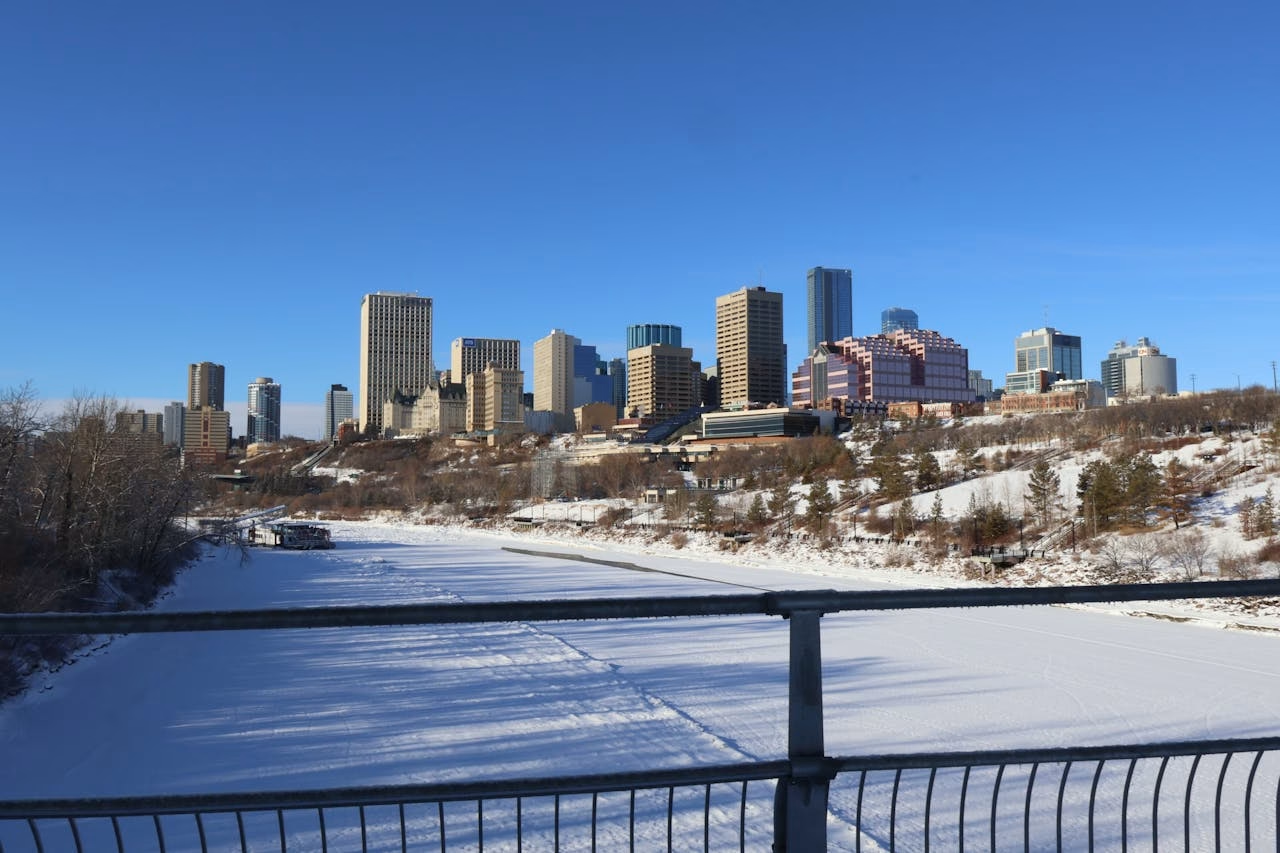
Edmonton’s extreme temperature swings place exceptional demands on heating systems. When winter temperatures regularly drop to -30°C, your furnace isn’t just a comfort item – it’s essential equipment that keeps your home liveable and your pipes from freezing. Whether you’re facing an aging system or planning ahead, understanding what matters in furnace selection helps you make decisions that keep your home comfortable for the next 15-20 years.
Key Takeaways
- Furnace lifespan matters: Most furnaces last 15-20 years. If your home was built in the 1960s-1980s and still has its original furnace, replacement is overdue.
- Right-sizing is critical: An oversized or undersized furnace costs more to operate and won’t heat your home properly. Professional load calculations are essential.
- Efficiency ratings impact your wallet: Modern furnaces are all high-efficiency (95%+), saving Edmonton homeowners $300-500 annually compared to older low-efficiency models still in many homes.
- Installation quality equals equipment quality: Even premium equipment performs poorly with substandard installation. Both halves matter equally.
- Winter timing affects cost: Emergency furnace replacements in January cost significantly more than planned replacements in shoulder seasons.
Understanding When Your Edmonton Home Needs a Furnace Replacement
How Long Do Furnaces Last in Edmonton?
Most residential furnaces operate reliably for 15 to 20 years. However, Edmonton’s long heating season means local furnaces run more hours annually than units in milder climates, which can shorten their effective lifespan. Age alone doesn’t determine when replacement makes sense, but it’s the most important factor to consider.
Neighbourhoods Where Furnace Replacement May Be Due
Many Edmonton neighbourhoods developed between the 1960s and 1980s are reaching the point where original furnaces (or even second-generation replacements) need upgrading. Homes in these established areas often have furnaces that predate modern efficiency standards.
Consider these established Edmonton neighbourhoods and their typical construction periods:
Abbottsfield (developed 1970s): Homes here are approximately 50 years old, meaning most are on their second or third furnace
York (developed 1960s): One of Edmonton’s pioneer condominium communities, with many units now requiring modern high-efficiency replacements
Athlone (developed 1960s): Established neighbourhood where original heating systems are long past replacement age
Capilano (developed 1960s-1970s): Mature community with housing stock that often needs complete HVAC modernisation
Dovercourt (developed 1960s): Older homes in this area frequently have furnaces operating below current efficiency standards
If you live in one of these neighbourhoods and haven’t replaced your furnace in 15+ years, planning for replacement now prevents emergency situations during Edmonton’s coldest months.
Determining the Right Furnace Size for Your Home
Furnace sizing is measured in BTUs (British Thermal Units). Edmonton homes typically require between 40,000 and 120,000 BTUs depending on square footage, insulation quality, window efficiency, and exposure.
Why Professional Load Calculations Matter
Many homeowners assume they should simply match their existing furnace’s capacity. This approach overlooks improvements you may have made (new windows, added insulation, or basement finishing) that change your home’s heating requirements.
A proper Manual J load calculation accounts for:
- Total conditioned square footage
- Insulation levels in walls, attic, and basement
- Window quantity, size, and efficiency ratings
- Air sealing and infiltration rates
- Home orientation and exposure
- Edmonton’s specific climate data
Quality HVAC contractors complete these calculations before recommending equipment. Companies that quote furnaces without visiting your home or performing calculations are guessing, and those guesses often lead to oversized units that short-cycle and waste energy.
The Problem with Oversized Furnaces
An oversized furnace rapidly heats your home, then shuts off before completing a full cycle. This short-cycling wastes fuel, creates uncomfortable temperature swings, and stresses components. Furnaces operate most efficiently during longer, steady runs, not rapid on-off cycles.
Understanding Furnace Efficiency Ratings
Furnace efficiency is measured using AFUE (Annual Fuel Utilisation Efficiency), which tells you how much of your natural gas actually becomes heat for your home versus how much escapes through venting. Think of it like gas mileage for your furnace. A 95% AFUE furnace means 95 cents of every natural gas dollar becomes heat – only 5 cents goes up the vent.
Current Efficiency Standards
Modern high-efficiency furnaces in Canada start at 95% AFUE and represent the current standard for new installations. Lower efficiency furnaces (80% AFUE and below) haven’t been available for purchase in Canada since 2010, though many older Edmonton homes still operate these legacy systems.
High-efficiency furnaces squeeze out nearly every bit of heat from combustion by using secondary heat exchangers. They require PVC venting instead of metal chimneys due to the cooler exhaust temperatures they produce.
Real Savings in Edmonton
An Edmonton home heating with natural gas typically spends $1,200-1,800 annually on heating costs. Upgrading from an older low-efficiency, or even medium efficiency furnace (80% or less) to a modern high-efficiency model (95%+) reduces fuel consumption by approximately 18-20%, saving $300-500 per year.
These savings compound over the furnace’s lifespan. Over 18 years, that’s $5,400-9,000 in avoided energy costs. Since high-efficiency furnaces are now the standard for new installations, these savings come automatically with any modern replacement.
Single-Stage vs. Two-Stage vs. Modulating: Which Makes Sense?
Modern furnaces offer different methods of heat output control. Understanding these differences helps you balance comfort, efficiency, and budget.
Single-Stage Furnaces
Single-stage units operate at full capacity whenever they run. They’re either fully on or completely off – no middle ground. These furnaces cost less initially but provide less precise temperature control.
Single-stage furnaces work adequately for most Edmonton homes, particularly in neighbourhoods with smaller, well-insulated houses where temperature recovery happens quickly.
Two-Stage Furnaces
Two-stage furnaces run at approximately 65% capacity most of the time, only ramping to full power during extreme cold. This delivers more consistent temperatures, reduces temperature swings, and improves efficiency by running longer, steadier cycles.
For Edmonton’s climate, a two-stage furnace makes sense. Our shoulder seasons (spring and fall) are long, and a furnace that can run at reduced capacity during these periods provides better comfort and efficiency than constant full-blast operation.
Modulating Furnaces
Modulating furnaces adjust output in 1% increments, matching heat production precisely to current demand. They provide the most consistent temperatures and highest efficiency but command premium pricing.
These units make most sense for larger homes (2,500+ square feet), homes with significant temperature variation between floors, or situations where occupants are particularly sensitive to temperature fluctuations.
Variable-Speed Blowers: Worth the Investment?
The blower motor circulates air through your home. Traditional single-speed blowers run at full power whenever the furnace operates. Variable-speed blowers (also called ECM motors) adjust airflow based on actual demand.
Benefits of Variable-Speed Technology
Better air circulation: Can run at low speed between heating cycles, continuously filtering air and preventing cold spots
Quieter operation: Lower speeds mean less noise during most operation
Humidity control: Slower airflow across the evaporator coil (in homes with central air conditioning) improves dehumidification
Lower electricity consumption: ECM motors use 60-75% less electricity than traditional blower motors
For Edmonton homes with both heating and cooling, variable-speed blowers provide particular value. The improved dehumidification during our humid summer months makes homes more comfortable without excessive air conditioning. Learn more about air conditioning options for Edmonton homes.
What to Expect for Furnace Costs in Edmonton
Furnace replacement costs vary based on efficiency level, capacity, features, and installation complexity. Edmonton pricing for modern high-efficiency systems typically falls within these ranges:
High-Efficiency Single-Stage (95-96% AFUE): $4,500-6,500 installed
High-Efficiency Two-Stage (95-98% AFUE): $5,500-7,500 installed
Premium Modulating Units (96-98% AFUE): $6,500-9,500 installed
These ranges assume standard residential installations. Costs increase if your home requires additional work such as new gas line sizing, electrical upgrades, ventilation modifications, or structural changes to accommodate equipment.
Why Installation Quality Justifies Cost Differences
Some Edmonton homeowners shop primarily on price, selecting the cheapest quote regardless of other factors. This approach often leads to problems.
Quality furnace installations require proper sizing of gas lines, correct venting according to manufacturer specifications, appropriate condensate drainage, precise airflow balancing, and thorough combustion analysis. Cutting corners on any of these elements compromises performance, efficiency, and safety.
A premium furnace installed poorly will underperform and fail prematurely. A mid-grade furnace installed correctly will deliver years of reliable, efficient service. Installation quality matters as much as equipment quality – both halves of the equation must be right.
Installation Considerations Specific to Edmonton Homes
Venting Requirements for High-Efficiency Furnaces
High-efficiency furnaces produce cooler exhaust gases that can’t safely exit through traditional metal chimneys. They require PVC venting that typically exits through an exterior wall.
In Edmonton’s climate, condensate produced by high-efficiency furnaces must drain properly. Frozen condensate lines cause shutdowns, so proper installation includes ensuring adequate drainage and slope, installing condensate pumps where gravity drainage isn’t possible, and protecting exterior venting from snow and ice accumulation.
Older Homes and Chimney Considerations
Many established Edmonton neighbourhoods have homes originally built with oil or natural gas furnaces that vented through masonry chimneys. When these older furnaces are replaced with high-efficiency units, the chimney is often abandoned.
If your home also has a gas water heater using the same chimney, replacing your furnace with a high-efficiency model requires either converting the water heater to a power vent, installing a chimney liner for the water heater alone, or replacing both appliances simultaneously.
Features That Add Value vs. Features That Don’t
Worthwhile Features
Sealed combustion: Draws intake air from outdoors rather than from inside your home, improving safety and efficiency
Two-stage operation: Delivers better comfort and efficiency in Edmonton’s variable climate
Variable-speed blower: Provides improved air circulation and lower operating costs
High-quality air filter cabinet: Accommodates 4-5 inch filters that capture more particulates and last longer
Features to Skip
Wi-Fi thermostats bundled at inflated prices: Buy thermostats separately if you want smart features
Expensive extended warranties: Quality furnaces from reputable manufacturers include solid standard warranties
UV lights and ionisers: These rarely deliver promised benefits for most homes
When Should You Replace Rather Than Repair?
Furnace repair vs. replacement decisions depend on the unit’s age, repair cost, and overall condition. A useful guideline: if the repair cost exceeds half the cost of replacement and your furnace is over 15 years old, replacement typically makes more financial sense.
Red Flags That Indicate Replacement Time
- Heat exchanger cracks (safety issue – requires immediate replacement)
- Multiple repairs in recent years
- Significant rust or corrosion on cabinet or components
- Furnace struggles to maintain temperature during cold weather
- Noticeable increases in heating bills without usage changes
- Age exceeds 18-20 years
Why Emergency Replacements Cost More
A furnace that fails on the coldest day in January creates urgency. You need heat immediately, which limits your ability to research options, compare quotes, or schedule installation at your convenience.
Planning replacement when your furnace still operates removes time pressure. You can schedule installation during shoulder seasons when contractors have more availability, compare multiple quotes without urgency, and potentially take advantage of promotional pricing that contractors often offer during slower periods.
Understanding Furnace Warranties
Furnace warranties typically include two components: parts coverage (usually 10 years) and heat exchanger coverage (often 20 years or lifetime). These manufacturer warranties cover defective components but not labour costs for replacement.
What Warranties Don’t Cover
- Labour costs for warranty repairs
- Damage from improper installation
- Failure due to lack of maintenance
- Problems caused by inadequate airflow or improper sizing
Extended warranties sold by contractors typically cost $300-800 and primarily cover labour. For most homeowners, setting aside this money for potential repairs makes more sense than purchasing extended coverage.
Maintenance Requirements for Long Furnace Life
Regular maintenance extends furnace lifespan and maintains efficiency. Edmonton’s long heating season makes annual service particularly important. Learn more about our furnace maintenance services.
Annual Service Should Include
- Combustion analysis to verify efficient, safe operation
- Heat exchanger inspection for cracks or damage
- Burner cleaning and adjustment
- Blower motor and capacitor testing
- Gas pressure verification
- Condensate system inspection (for high-efficiency units)
- Air filter replacement or cleaning reminder
- Thermostat calibration check
Between-Service Maintenance You Can Handle
Homeowners should check and replace air filters every 1-3 months during the heating season. Restricted airflow from dirty filters causes most service calls and significantly reduces furnace lifespan. Keep outdoor venting clear of snow, ice, and debris accumulation. Blocked venting causes safety shutdowns.
Choosing the Right HVAC Contractor in Edmonton
The contractor you select matters as much as the equipment you choose. Quality installation determines whether your furnace delivers its rated performance and lifespan.
What to Look for in HVAC Contractors
Proper licensing and insurance: Verify contractors carry adequate liability insurance and WCB coverage
Detailed load calculations: Contractors should measure your home and calculate heating requirements, not just match existing equipment
Written quotes: Detailed proposals that specify exact equipment models, warranty terms, and scope of work
References and reviews: Check recent customer experiences through multiple review sources
Manufacturer certifications: Factory-trained technicians understand equipment specifications better than generic installers
Red Flags to Avoid
- Quotes provided over the phone without seeing your home
- Pressure tactics or “today only” pricing
- Reluctance to provide references or proof of insurance
- Recommendations for significantly oversized equipment
- Unwillingness to explain equipment options or answer questions
Canadian Climate Control strives to go over and above with affordable prices that do not sacrifice quality. Click to get a free quote.
Rebates and Incentives for High-Efficiency Furnaces
Several programmes offer financial incentives for furnace upgrades in Edmonton:
Current Rebate Programmes
Canada Greener Homes Grant: Provides up to $5,000 for energy-efficient home upgrades, including high-efficiency furnaces. Requires pre- and post-upgrade EnerGuide evaluations.
Municipal Programmes: The City of Edmonton occasionally offers programmes supporting residential energy efficiency improvements.
Utility Programmes: ATCO and EPCOR sometimes provide rebates or financing for furnace upgrades. Check current offerings as programmes change.
Research available rebates before purchasing. Some programmes require specific efficiency ratings or pre-approval. Your HVAC contractor can often help with rebate applications, though homeowners remain responsible for meeting programme requirements.
Final Recommendations for Edmonton Homeowners
Furnace selection doesn’t need to be overwhelming. Focus on these priorities:
Get professional load calculations before selecting equipment capacity. Right-sizing matters more than any other single factor.
Choose 95%+ AFUE efficiency for Edmonton’s climate. The fuel savings justify the investment.
Consider two-stage operation for better year-round comfort.
Variable-speed blowers add value if you also have central air conditioning.
Prioritise installation quality over equipment brand. The best furnace installed poorly will underperform and fail early.
Plan replacement before emergency situations force rushed decisions. Your furnace doesn’t care that it’s -30°C when it decides to quit.
Questions to Ask Before Signing a Contract
- What load calculation method did you use to determine furnace size?
- What efficiency rating do you recommend for my specific home and budget?
- What warranty coverage comes standard, and what does it exclude?
- What’s included in your installation (permits, old equipment removal, disposal, thermostat, etc.)?
- How long will installation take, and will my home be without heat overnight?
- What maintenance do you recommend, and do you offer service plans?
Quality contractors welcome these questions and provide clear, detailed answers. Companies that brush off questions or provide vague responses should raise concerns.
Making Your Decision
Edmonton’s climate demands reliable heating equipment. Your furnace runs thousands of hours annually, working harder than units in most Canadian cities. This intensive use means quality equipment and proper installation aren’t luxuries – they’re necessities.
For homeowners in established neighbourhoods developed during the 1960s through 1980s, now may be the right time to evaluate your heating system. Waiting for failure creates stress, limits options, and typically costs more than planned replacement.
Good equipment installed correctly will keep your home comfortable for 15-20 years of Edmonton winters. That’s worth getting right.
About Canadian Climate Control
Canadian Climate Control serves Edmonton homeowners with honest, quality-focused HVAC services. We believe in proper equipment sizing, quality installation, and straightforward recommendations without upselling or gimmicks. Our focus is simple: the right equipment installed correctly will serve your home well for years to come.
Contact us today for a detailed home assessment and transparent furnace replacement quote. We’ll explain your options clearly and recommend what makes sense for your specific situation, not what maximises our profit.
Learn more about our other services: